Compounding & Formulation
Rubber Compounding and Formulation Support
Compounded by Japan. Built in China. Tested in-House. Connect your service conditions to a candidate compound, controlled preparation and an agreed release-test plan.
01 / Compounding & Formulation
Connect formulation support to the manufactured part
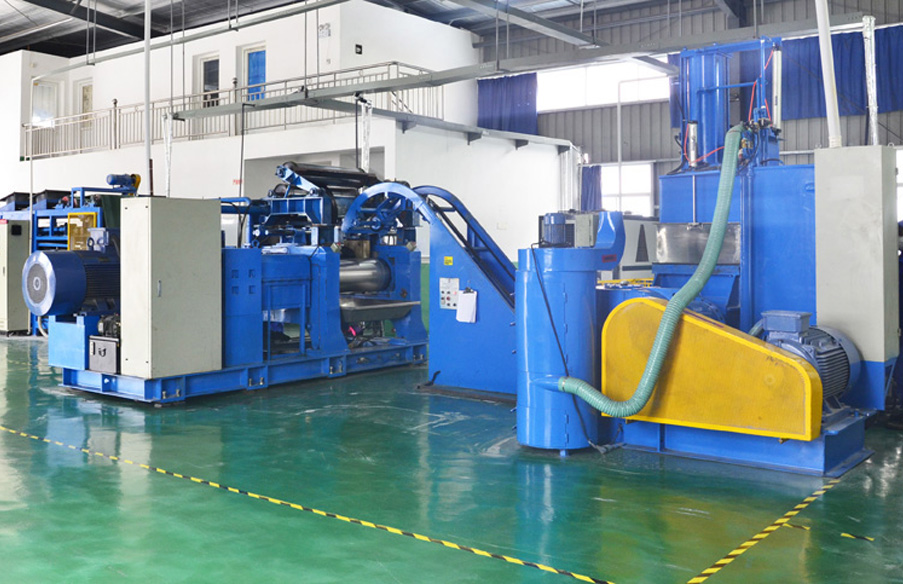
RubberQ combines Japanese formulation support with in-house mixing, molding, testing and ERP traceability in Fuzhou. Begin with the service requirement and the decision the candidate must support. Compound, tooling, processing and assembly need to be evaluated together for the particular project.
02 / Compounding & Formulation
Prepare a formulation and validation brief
Provide the existing specification or reference compound, the conditions of use and the properties that matter to the part. Identify fixed requirements and the changes that may be discussed.
| Input | What to include |
|---|---|
| Reference | Polymer or compound grade, cure-system information, specification and revision |
| Service | Complete media, temperature history, mechanical loading and cleaning |
| Properties | Required test outputs, preparation and acceptance limits |
| Special objectives | Mechanical, electrical, odor, emissions or cleanliness requirements with the relevant method |
| Problem evidence | Identified samples, lot information, observations and existing reports |
| Project scope | Finished parts or compound supply, receiving process, quantity and trial objective |
| Responsibilities | Specification ownership, confidentiality, approval and change responsibilities |
03 / Compounding & Formulation
Keep recipe and batch information connected
Agree the identification and records needed for the project. Discuss the approved formulation version, raw-material identity, weighed-charge review and mixing-lot references. Link preparation and process information to the material tested and the part produced. ERP traceability supports this discussion; the requested record scope and retention are agreed with the order.
- Identify the formulation and the source material lots.
- Define the weighing, preparation and mixing records required for the project.
- Keep sample and production-lot identification with the relevant results.
04 / Compounding & Formulation
Define cure evaluation and release decisions
A cure comparison needs an identified material and test conditions. Agree the curve outputs, acceptance basis and treatment of deviations before using a result to release trial material or a production order.
| Record | What to agree |
|---|---|
| Sample | Compound version, lot, storage state, preparation and identification |
| Method | Method and edition, test temperature, specimen and reporting conditions |
| Result | Required curve outputs and distinction between measured values and specification limits |
| Release | Required checks, sampling or frequency, approval responsibility and documents |
| Exception | Temperature or residence history, contamination concern, affected lot and evaluation before disposition |
05 / Compounding & Formulation
Match special-property goals to specific evidence
Agree which observations and measurements will decide the project. A filler name, cure-system label or material family does not replace the proposed compound’s test evidence.
- For reinforcement or electrical targets, identify the available filler or material reference, formulation context, dispersion question and specimen method.
- For heat aging, compare identified compounds and cure systems at the same exposure and loading conditions.
- For odor, VOC or contamination concerns, define separate methods, sample and packaging history, relevant contamination paths and acceptance criteria.
06 / Compounding & Formulation
Move from trial material to an approved supply basis
Agree the trial, required part or receiving-process evaluation and approval decision before repeat supply. Confirm the approved compound identification, permitted changes, packaging and release records. For a molded part, keep the compound linked to tooling and assembly requirements; for compound-only supply, define the receiving process and handling separately.
From your requirements to a component review
Discuss a Compound Requirement
Send your drawing or describe the application. Include service conditions, material requirements and quantity.